
Write actual hotel use and care conditions into the furniture brief
Commercial-use furniture is not defined by appearance alone. Guest contact, cleaning frequency, food and beverage exposure, luggage impact, moisture, sunlight and replacement access can change the material and construction decision. This page helps the buyer state those conditions; any durability, fire, emissions or other compliance result still requires evidence for the actual product, configuration and destination.
Separate conditions by zone
| Zone | Conditions to record | Specification questions |
|---|---|---|
| Guest room | Luggage contact, housekeeping products, drink spills, sunlight, bed or desk movement | Edges, cleanability, touch surfaces, replaceable components and room-family spares |
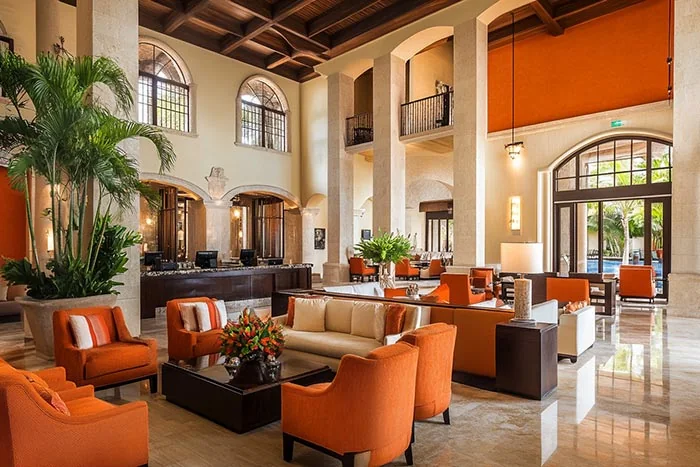
| Lobby and lounge | Long operating hours, frequent seating, public circulation, food and beverage service | Upholstery construction, high-contact finish, stability, cleaning access and component replacement |
| Restaurant and bar | Food, grease, coloured liquids, repeated wiping, chair movement and floor cleaning | Cleaner compatibility, seams and joints, glides, edge treatment and maintenance access |
| Conference or banquet | Frequent reconfiguration, stacking or transport, event turnover and storage | Handling points, hardware, carts, protection and inspection between events |
| Bathroom-adjacent or humid area | Splash, condensation, wet cleaning, plumbing access and leak risk | Substrate, sealed edges, hardware, ventilation, removable access and local responsibility |
| Outdoor or semi-exposed area | Only where in scope: rain, sun, temperature, salt, wind, drainage and seasonal storage | Project-specific material and test evidence; do not apply indoor furniture assumptions |
Make the care plan usable by the operator
List the approved cleaner, dilution or method, tools, frequency, drying and actions to avoid for each finish or upholstery. Identify removable covers, access panels, glides, hardware and parts that require scheduled checking. If a finish needs specialist repair, state the contact path and what record the operator should keep.
Ask operations to review the specification before final approval. A finish that can be produced may still be unsuitable if the hotel cannot maintain it with its normal products and turnaround time. Where a substitution is proposed, compare cleaning and replacement effects as well as initial appearance and price.
Translate standards into an evidence request
Instead of asking whether furniture is “commercial grade,” identify the required test or certification, method, threshold, product or assembly, destination rule and accepting authority. Fire, structural, durability, emissions, chemical resistance and electrical requirements may involve different evidence. A supplier statement, a certificate cover or a report for another configuration should not be treated as a project approval.
GEORGE Group has certificates at group level, and current product-specific documents can be reviewed after the configuration and destination requirements are known. If the project has no confirmed criterion yet, mark it pending and identify who will provide it before production release.
Include care and replacement information in handover
For each item family, retain the approved drawing and finish code, care instruction, relevant report, hardware or replacement part reference, warranty terms and a record of approved deviations. GEORGE’s current B2B reference includes a five-year warranty, but the applicable scope, exclusions, start point and remedy follow the actual project quotation and product.
Send the room and item schedules, expected occupancy and cleaning routines, known exposures, operator products, destination requirements, replacement strategy and decision contacts. GEORGE can then discuss material and furniture options against a clear use-and-care brief.